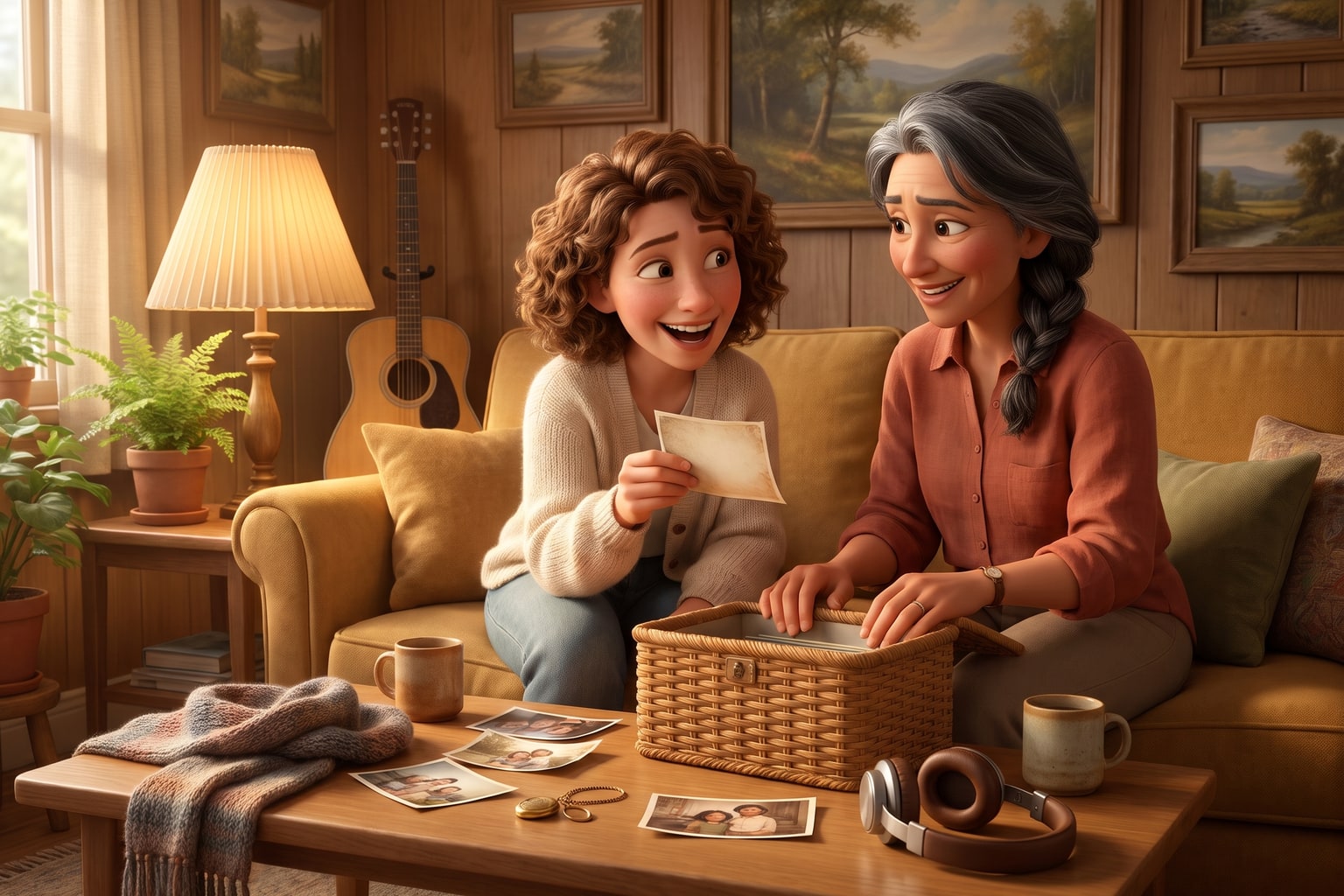
To create a song for a loved one, choose what you want to say, gather memories that show why this person matters, and use those details as the brief for personalized lyrics, music, and vocals. You do not need to arrive with a finished verse, but you should know which moments belong in the song and which details should stay private.
The short version
- To create a song for a loved one, start with a real memory and a clear message.
- FreeCustomSong creates personalized songs with custom lyrics, music, and vocals for celebrating or honoring someone you love.
- Choose the emotional purpose first: gratitude, celebration, love, remembrance, or worship.
- Before choosing a service, check what the song includes, delivery arrangements, and any revision terms.
Why This Matters
A personal song should help someone recognize your relationship, not just hear their name in a chorus. The useful details are often ordinary: the kitchen where you talked late into the night, a familiar expression, or the small kindness you never properly thanked them for.
At FreeCustomSong, we create personalized lyrics, music, and vocals around the person you want to celebrate or honor. Start with what you know about them, rather than trying to sound like a songwriter.
The best starting point is something you genuinely want this person to know.
How Do You Create a Custom Song for a Loved One?
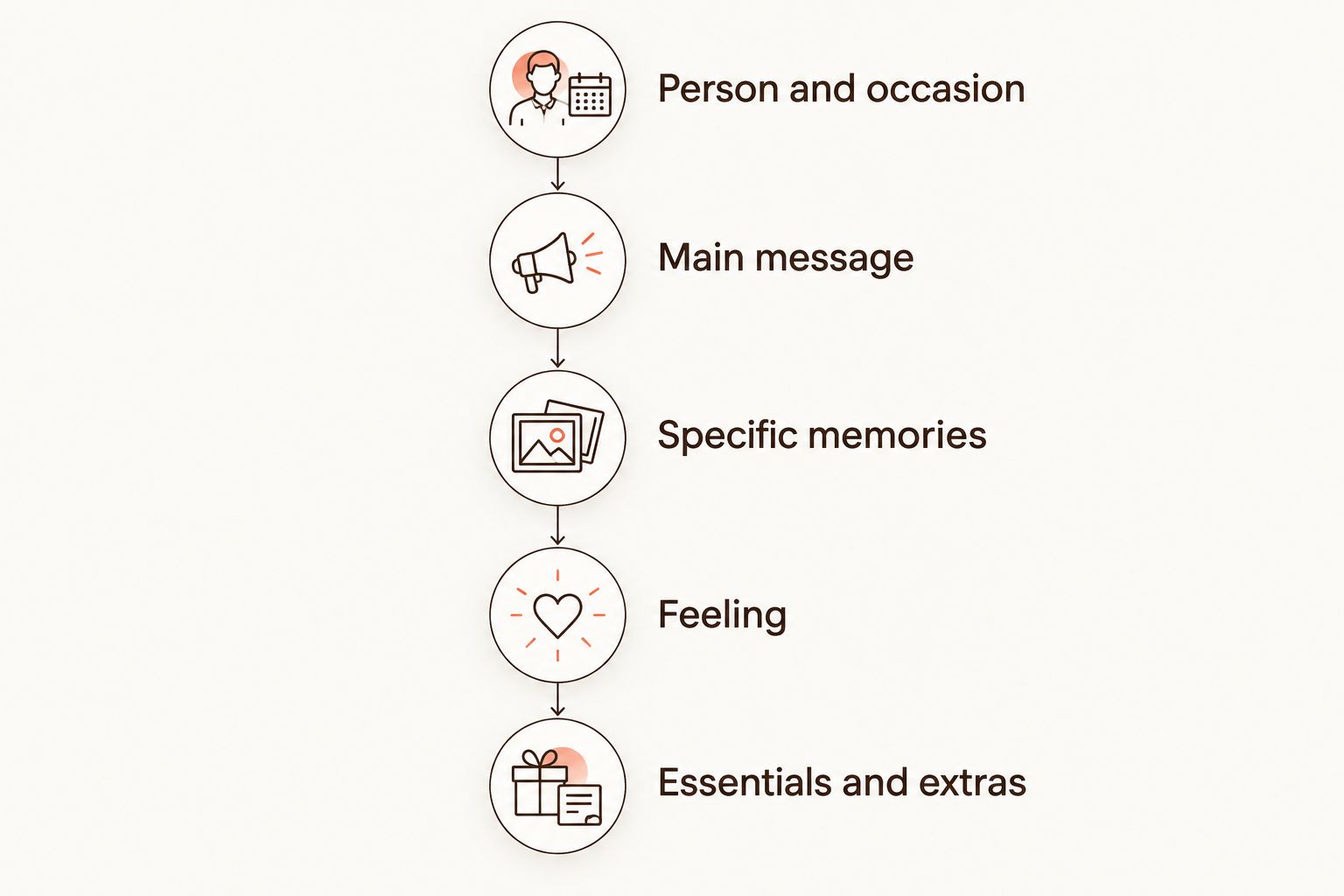
Build a short song brief before choosing musical details. You are giving the song a purpose, a story, and a listener.
- Name the person and the occasion. Explain your relationship and why you are giving the song now. A birthday celebration calls for a different message from an intimate anniversary gift.
- Choose the main message. Finish this sentence: after hearing the song, I want them to know that… Keep that thought at the center.
- Gather specific memories. Write down places, habits, expressions, and moments that support your message. Include the meaning behind each detail.
- Describe the feeling. Decide whether the song should feel playful, grateful, romantic, reflective, or prayerful. Describe what suits the recipient, not what sounds most impressive.
- Separate essentials from extras. Mark the names, memories, and sentiments that matter most. Identify anything private, sensitive, or unsuitable for the intended audience.
Your brief does not need beautiful sentences. Plain notes are useful when they explain what happened and why you remember it.
Choose the Kind of Song That Fits Your Relationship
Choose the emotional purpose before choosing a musical style. A song can contain humor and tenderness, but you should still know which feeling leads.
These are directions for your brief, not different service packages. Use the comparison to decide what deserves the most space in your story.
| Song direction | Best for | Details to include | What to handle carefully |
|---|---|---|---|
| Gratitude | A parent, mentor, or supportive partner | Everyday care and what it meant to you | Broad praise without examples |
| Romantic | A partner or anniversary | Shared history, private language, and present-day love | Details that feel too private for public playback |
| Celebratory | A birthday or milestone | Personality, achievements, and affectionate humor | Jokes the recipient would not enjoy |
| Memorial | Honoring someone who has died | Their character, familiar habits, and meaningful memories | Assumptions about how others should grieve |
| Worship or prayer | Expressing faith or a personal prayer | The message, beliefs, and words that matter | Religious language that does not reflect the recipient |
Choose the version that sounds like your relationship, not the grandest occasion. A quiet thank-you can be the whole point of the gift.
A romantic song does not need a perfect love story
Include the life you actually share, not just the beginning of the relationship. A partner might recognize your love in the way you face difficult days together or make an ordinary evening feel like home.
If the song will play at a wedding or party, distinguish between details you treasure privately and details you are comfortable sharing. You can keep the emotional truth without explaining every private reference.
A memorial song does not need to explain the loss
You can center the person's life: what they loved, how they spoke, and what you carry with you. There is no need to turn the brief into a full biography or describe circumstances you do not want included.
When the gift is for someone grieving, leave room for their response. Offer the song gently rather than arranging a surprise public listening moment.
What Makes a Song Feel Personal?
A useful detail tells the listener something about the relationship. A list of names and dates can establish facts, but the meaning behind those facts gives the song its emotional direction.
As a starting exercise, write down 3 details: a shared scene, a recognizable habit, and something you want to thank the person for. This is a writing prompt, not an order requirement.
A shared scene
Think of a moment you can picture. Where were you, what happened, and why has it stayed with you?
For example, if your dad always waited up after your late shifts, explain what that meant. What mattered was feeling that someone was looking out for you.
A recognizable habit
Look for something affectionate and specific: a phrase, a ritual, or a small act of care. Choose a detail the recipient would welcome hearing about.
Avoid using a habit as a joke unless you know the person enjoys that joke. A song meant to honor someone should not leave them wondering whether they are being teased.
An unspoken thank-you
Write the thought you would find difficult to say across a dinner table. Keep it in your own language.
You might want to acknowledge patience, companionship, forgiveness, or steady support. Explain what the person did rather than asking the song to carry an abstract list of virtues.
How Do You Choose a Custom Song Service?
FreeCustomSong is for people who want a personalized song to celebrate or honor someone they love. We create custom lyrics, music, and vocals, so you can begin with memories rather than a finished composition.
When choosing a service, connect each question to how you intend to give the gift. A private birthday surprise and a song scheduled for a ceremony have different practical needs.
- What does the finished song include? Distinguish a complete song from lyrics alone or an instrumental recording.
- What can you personalize? Check how the service handles your story and which musical preferences it accepts.
- What happens before completion? Read the specific preview and revision terms rather than assuming you can change everything later.
- When do you need it? Check delivery arrangements against the actual date you plan to play it.
- How will you use it? If you intend to publish, perform, or include the recording in an event video, check the relevant permissions.
Our complete core song is free, and optional paid extras exist, including rush delivery. Check the current details before choosing an extra, especially when your gift has a fixed deadline.
The trade-off to think about is control. If a particular voice, arrangement, revision process, or usage permission is essential, verify that requirement before committing to a service. A personalized song is not a reason to leave practical questions unanswered.
Why Does the Song Brief Vary by Recipient?
The brief changes because the listener, setting, and message change. Use these factors to decide what to include and what to leave out:
- Your relationship. A spouse may understand a private reference that a wider family audience will not.
- The occasion. A milestone celebration can look back and ahead; a memorial can stay with a cherished memory.
- The listening setting. A private gift allows different details from a recording played to a room of guests.
- The recipient's taste. Describe music and emotional intensity they enjoy, rather than choosing only for yourself.
- Sensitive subjects. Flag grief, estrangement, health matters, or religious language that needs particular care.
You do not need to include every factor in the lyrics. They help define the boundaries of the gift.
What Should You Write in Your Song Request?
Start with a short paragraph that explains the person and the purpose. Follow it with notes, rather than trying to squeeze your entire relationship into polished prose.
Use these prompts in your own words:
- Who it is for: Their name, your relationship, and any pronunciation guidance.
- Why you are giving it: The occasion or the thought you want to express.
- What you remember: Specific moments, habits, or shared experiences.
- What it means: Why those memories matter to you.
- What to avoid: Private information, uncomfortable jokes, or subjects that should stay out.
Then reduce your main message to 1 sentence. If you get stuck, ask yourself what you would want the person to remember after the music stops.
Before submitting, read your notes aloud and make 2 checks: are the names and events accurate, and would the recipient feel comfortable hearing these details? A touching idea still needs the right name and the right boundaries.
Can You Make the Song a Surprise?
Yes, you can prepare your own memories without asking the recipient to help write the brief. Use information you already know and details they would be comfortable hearing.
Keep the surprise in the gift, not in the disclosure of private information. If you ask relatives for ideas, be clear about what can be included and whether the song will be heard privately or publicly.
Do You Need to Write the Lyrics Yourself?
No, you can start with plain notes about the person, the story, and the message. Our service includes personalized lyrics as well as music and vocals.
If you have a phrase you especially want considered, distinguish it from background information. Do not assume every sentence in a long brief should appear word for word in the finished song.
How Should You Give the Finished Song?
Choose a moment that fits the recipient's comfort level. Private listening gives someone space to react without becoming the center of attention.
Before a planned event, check the recording and the playback setup. Confirm names and personal references, listen for anything too private, and make sure the device and speakers work together.
You do not need an elaborate presentation. A short explanation of why you wanted to give the song can be enough, and the recipient does not owe you a particular reaction.
FAQ
How do I create a song for a loved one if I cannot write music?
Start with memories and a clear message rather than a melody. FreeCustomSong creates personalized lyrics, music, and vocals, so your starting material can be ordinary notes about someone you love.
What should I include in a personalized song request?
Include your relationship, the occasion, meaningful memories, and what you want the person to understand. Add pronunciation guidance and identify private details that should not appear.
Is the complete song free?
Yes, our complete core song is free. Optional paid extras exist, so review what you select before submitting your request.
Can I create a song in memory of someone who died?
Yes, a personalized memorial song can honor someone who has died. Focus on their character and the memories you want to preserve, and identify anything too painful or private to include.
Can I get a custom song for a birthday or anniversary?
Yes, birthdays and anniversaries are occasions for a personalized song. Shape the message around the person and your relationship rather than relying only on the occasion.
Can I request changes to a personalized song?
Check the service's revision terms before ordering. If a name, phrase, or musical detail is essential, make that requirement clear at the start and confirm how changes are handled.
One Last Thing
The memory you nearly leave out might be the one to start with, because it sounds unmistakably like the person you love.
Write that memory down in the words you would use to tell a friend. When you are ready, bring us the story and create a song around what you want to say.
Turn your memories into a song
Share the person, the memories, and the message you want your song to carry.